Temporomandibular Joint Disorders or TMJ Pain
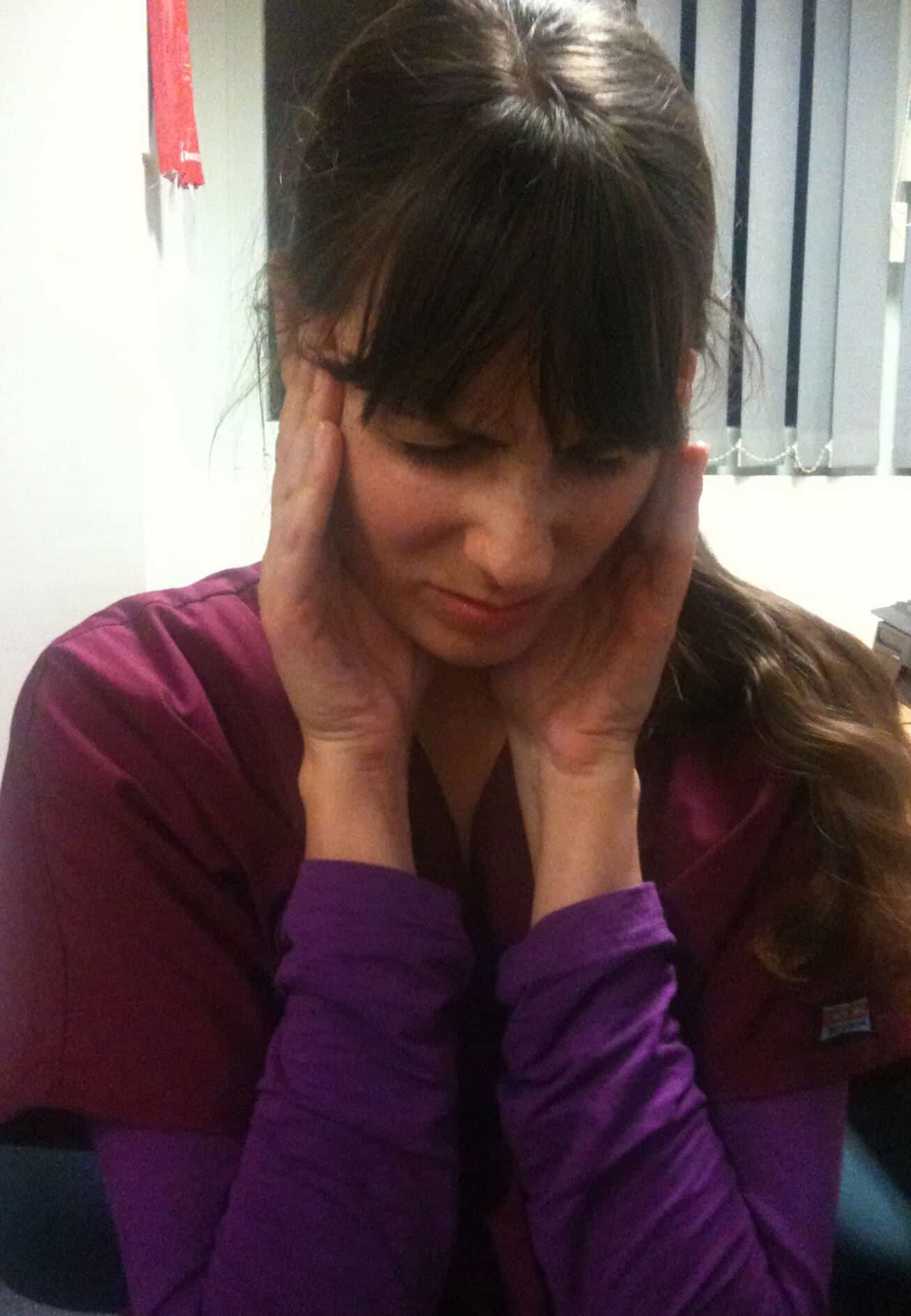
TMJ disorders cause tenderness and pain in the temporomandibular joint, the joint on each side of your head in front of your ears, where your lower jawbone meets your skull. This joint allows you to talk, chew and yawn.
Between 5 and 15 percent of people in the United States experience pain associated with TMJ disorders, according to the National Institute of Dental and Craniofacial Research, part of the National Institutes of Health.
In most cases, pain and discomfort associated with TMJ disorders can be alleviated with self-managed care or nonsurgical treatments.
Symptoms
Signs and symptoms of TMJ disorders may include:
- Pain or tenderness of your jaw
- Aching pain in and around your ear
- Difficulty chewing or discomfort while chewing
- Aching facial pain
- Locking of the joint, making it difficult to open or close your mouth
- Headache
- Uncomfortable bite
- An uneven bite, because one or more teeth are making premature contact
- Shoulder pain
- Ringing in the ears
TMJ disorders can also cause a clicking sound or grating sensation when you open your mouth or chew. But if there’s no pain or limitation of movement associated with your jaw clicking, you probably don’t have a TMJ disorder.
If you have persistent pain or tenderness in your temporomandibular joint, if you have facial pain and experience clicking or grating when you chew or move your jaw, or if you can’t open or close your jaw completely, contact us. We have have a tremendous amount of success in working with people with TMJ issues.
There are several Destin chiropractors to choose from, how do you know which one to choose? Please contact our chiropractic clinic in Destin, Florida or our new office in Miramar Beach, Florida at 850-654-1850 to schedule chiropractic care, massage therapy, nutritional counseling, rehabilitation services, or if you have questions about any of our services or our ability to provide you with help.